
Navigating the World Through the Lens of Affluence

outsidethearc.com – The wealth effect is a term often used in economics to describe the phenomenon where the increase in value of financial assets, such as stocks or real estate, leads to an increase in spending. However, when we talk about the wealth effect in the context of “rich kids,” we’re referring to something more nuanced and sociological: the ways in which children from affluent backgrounds experience and interact with the world differently from their less wealthy peers.

Growing up with wealth can shape a child’s worldview, opportunities, and even their sense of self. It’s a reality that is often invisible to those who live it, much like how water is to fish. The wealth effect on children is not just about having access to more material goods; it’s about the doors that open, the expectations that are set, and the safety nets that are in place.

Education: The Foundation of Privilege

One of the most significant advantages that wealthy children have is in the realm of education. Private schools, tutors, and educational enrichment programs are often within easy reach. These institutions not only provide a high-quality education but also a network of similarly affluent peers and influential adults. This network can be invaluable later in life, offering opportunities that might be unavailable to those without such connections.

Opportunities: A World of Possibilities

Rich kids often have the luxury of exploring a wide range of interests and hobbies. From travel sports to music lessons, from international travel to exclusive summer camps, the opportunities are vast. This exposure can lead to a more diverse set of experiences and, potentially, a more well-rounded individual. However, it can also create a sense of entitlement, where certain opportunities are expected rather than appreciated.

Expectations: The Pressure to Excel

With wealth often comes the expectation to excel. Whether it’s academic achievement, athletic prowess, or artistic talent, the pressure to perform can be intense. This pressure can be both a blessing and a curse. On one hand, it can drive young people to achieve great things. On the other, it can lead to anxiety, depression, and a fear of failure.

Safety Nets: The Cushion of Wealth

Perhaps one of the most significant differences between rich kids and their less wealthy peers is the presence of a safety net. For those growing up in affluence, the consequences of failure are often less severe. There’s less risk in pursuing a passion that might not pay the bills, or in making a career change later in life. This safety net can lead to a sense of invulnerability, but it can also foster a willingness to take risks and pursue dreams.

The Flip Side: Challenges of Wealth

While the wealth effect can open doors, it can also create challenges. Wealthy children may struggle with forming genuine relationships, as they might find it difficult to distinguish between those who are interested in them for who they are and those who are interested in what they have. Additionally, there’s the challenge of finding purpose and motivation when the basic necessities of life are already taken care of.

Conclusion

The wealth effect on children is complex and multifaceted. It can provide opportunities, expectations, and safety nets that are unavailable to most. However, it can also create a sense of entitlement, pressure, and isolation. For those who grow up with wealth, navigating these challenges requires self-awareness, empathy, and a commitment to using their privilege to make a positive impact on the world. As society continues to grapple with issues of inequality, understanding the wealth effect is crucial for fostering a more equitable and compassionate world.
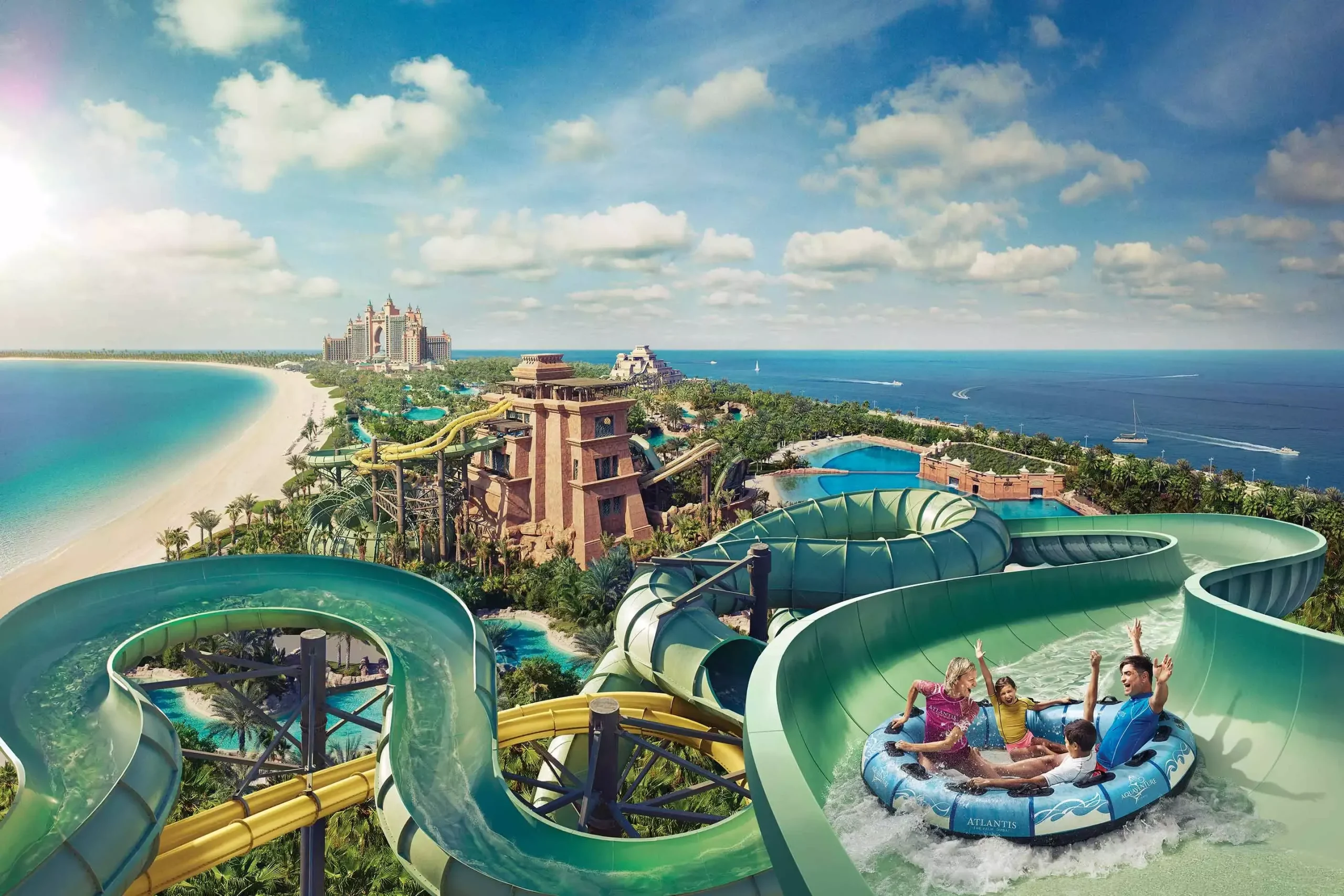
Diving into the World of Water Parks: Aquatic Adventures

As the sun beats down and the mercury rises, there’s no better way to cool off and have fun than by diving into the exhilarating world of water parks. These aquatic playgrounds offer a refreshing escape from the heat, providing thrills, spills, and relaxation for all ages. From the adrenaline rush of high-speed slides to the serene float on a lazy river, water parks cater to every taste, making them a popular destination for families, thrill-seekers, and those looking to unwind alike.

The Evolution of Water Parks

The concept of water parks dates back to the 1950s, with the first modern water park, Water Wonderland, opening in California in 1961. Since then, water parks have evolved significantly, incorporating innovative designs, theming, and technology to create immersive experiences. Today, water parks are not just about the slides; they are about creating a complete aquatic adventure that tells a story and transports visitors to another world.

Thrills and Spills

At the heart of every water park are the slides. These range from gentle slopes suitable for young children to heart-stopping, high-speed tubes and body slides that challenge even the bravest souls. Some of the latest innovations include slides that use magnetic technology to propel riders at breathtaking speeds, and those that incorporate virtual reality (VR) to enhance the experience with otherworldly adventures.

Beyond the Slides

Water parks offer much more than just slides. Wave pools simulate the ocean experience with gentle ripples or powerful surges, depending on the park’s design. Lazy rivers allow visitors to relax and float along, often with the option to stop at various points for refreshments or to enjoy the scenery. For the little ones, there are usually dedicated areas with smaller slides, interactive water toys, and shallow pools where they can play safely.

Technology and Sustainability

As water parks continue to evolve, they are incorporating cutting-edge technology not only to enhance the guest experience but also to ensure sustainability. Many parks are now using water treatment and recycling systems to conserve water, while others are investing in renewable energy sources to reduce their carbon footprint. Virtual queuing systems and mobile apps provide convenience for guests, allowing them to plan their day and minimize wait times.

The Social Experience

Water parks are not just about the rides; they are also about creating memories with friends and family. Many parks offer cabanas, dining options, and special events to enhance the social experience. Whether it’s a family reunion, a birthday party, or a day out with friends, water parks provide the perfect backdrop for making lasting memories.

Safety First

With all the fun and excitement, safety remains the top priority for water parks. Trained lifeguards, clear safety instructions, and regular maintenance of rides and facilities ensure that visitors can enjoy their aquatic adventures with peace of mind.

Conclusion

Water parks offer a unique blend of excitement, relaxation, and social interaction, making them a favorite destination for people of all ages. Whether you’re looking to conquer your fear on a high-speed slide, relax on a lazy river, or make memories with loved ones, there’s something for everyone in the world of water parks. As these aquatic adventures continue to evolve, they promise to deliver even more thrills, spills, and fun in the years to come. So grab your swimsuit, slather on the sunscreen, and dive into the exhilarating world of water parks for an unforgettable aquatic adventure.