Geological and Cultural Marvel of Devils Tower, Wyoming

outsidethearc.com – Devils Tower, also known as the Devils Tower National Monument, stands as a majestic symbol of natural and cultural significance in Wyoming. This iconic landmark, located in Crook County, is not only a striking geological feature but also holds deep spiritual and cultural importance for many Native American tribes.

Historical Significance

Devils Tower was established as the first United States national monument by President Theodore Roosevelt on September 24, 19062. This designation marked the beginning of the national monument system in the United States, highlighting the tower’s exceptional natural and cultural value.

Geological Features

The tower itself is a laccolithic butte composed of igneous rocks. It rises 867 feet above the rolling prairies of Wyoming, making it a prominent and awe-inspiring sight in the landscape4. The tower’s unique geological formation is characterized by hundreds of parallel cracks, which make it one of the finest crack climbing areas in North America3.

Cultural Significance

For many Northern Plains Indians and indigenous people, Devils Tower is considered sacred. The area around the tower is rich in cultural and historical significance, with numerous stories and traditions associated with it. The tower is often referred to by its Lakota name, Mato Tipila, which translates to “Bear Lodge”3.

Visiting Devils Tower

Devils Tower National Monument offers a variety of activities for visitors, including hiking, climbing, and photography. The park is open year-round, and visitors can enjoy the beautiful scenery and explore the natural and cultural history of the area. However, it’s important to note that the monument may be temporarily closed due to weather conditions or other factors, as was the case in August 2019 due to storm damage4.

Conclusion

Devils Tower is more than just a geological wonder; it is a place of profound cultural and historical importance. Its unique formation and sacred status make it a must-visit destination for anyone interested in exploring the natural and cultural heritage of the American West. Whether you’re an avid hiker, a climber, or simply a lover of nature, Devils Tower offers something for everyone.

For more information on visiting Devils Tower National Monument, including current operating hours and any closures, visit the National Park Service’s official website or check the monument’s official Facebook page for updates34.
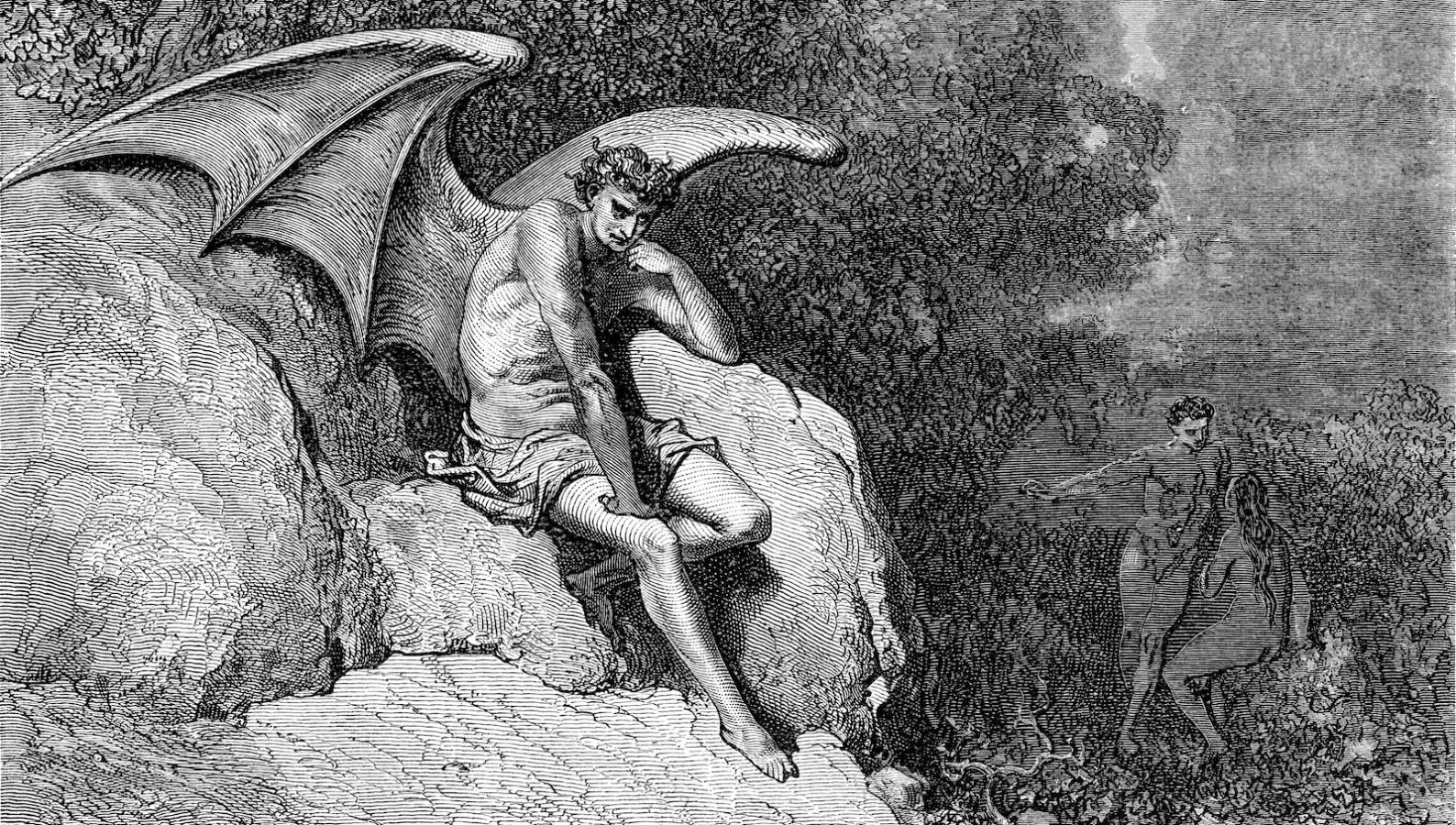
The Structure of Demonic Legions: Satan’s Hierarchy

outsidethearc.com – The concept of a structured hierarchy within the realm of demons has fascinated humanity for centuries. This belief system, deeply rooted in Christian theology, has been expanded upon by various authors, theologians, and occultists, each adding their interpretation to the enigmatic world of the demonic. The idea of Satan’s hierarchy suggests a well-organized system of power and governance among the fallen angels, mirroring the celestial hierarchy of angels but serving a darker purpose.

The Origins of Demonic Hierarchy

The origins of the demonic hierarchy can be traced back to early Christian writings and theological debates. One of the most influential texts in this regard is “The Hierarchy of the Blessed Angels” by Pseudo-Dionysius the Areopagite, a 5th-century Christian theologian. While Pseudo-Dionysius focused on the angelic hierarchy, his work inspired others to conceptualize a corresponding hierarchy for the demonic realm.

The Structure of Demonic Legions

The demonic hierarchy is often depicted as a mirror image of the angelic hierarchy, with various levels of power and authority. The most commonly cited structure includes the following ranks:

1. Princes of Hell

At the pinnacle of the hierarchy are the Princes of Hell, also known as the Satanic Trinity or the Unholy Trinity. This triad is often composed of Lucifer, Satan, and Belial, each representing different aspects of evil and rebellion against the divine order.

2. The Archdemons

Below the Princes are the Archdemons, powerful entities that oversee specific domains of sin and temptation. These include figures like Mammon, the demon of greed, and Asmodeus, the demon of lust. Each Archdemon is associated with a particular vice, embodying and promoting it among humanity.

3. The Lesser Demons

The bulk of the demonic legions is made up of lesser demons. These entities are tasked with carrying out the will of the higher-ranking demons, often interacting directly with humans to lead them into sin and despair. Lesser demons can range from minor imps to formidable spirits, each with its own specific role within the hierarchy.

4. The Fallen Angels

A unique category within the hierarchy is that of the Fallen Angels. These are angels who, like Lucifer, rebelled against God and were cast out of Heaven. Their status within the hierarchy varies, with some holding positions of power and others serving as foot soldiers in the eternal war against the divine.

The Role of Demonic Hierarchy in Theology and Culture

The concept of a demonic hierarchy has played a significant role in Christian theology, serving as a framework for understanding the nature of evil and the spiritual battle between good and evil. It has also influenced Western culture, appearing in literature, art, and popular media. From Dante’s “Inferno” to modern horror films, the idea of a structured demonic realm continues to captivate the human imagination.

Conclusion

The hierarchy of demonic legions, while a product of religious and occult speculation, reflects humanity’s enduring fascination with the nature of evil and the forces that oppose the divine. Whether viewed as a literal truth or a symbolic representation, the concept of Satan’s hierarchy offers a glimpse into the complex world of the demonic, challenging us to confront the darkness within and without.