Kecantikan Geisha: Simbol Budaya Jepang yang Abadi

outsidethearc – Geisha merupakan salah satu simbol budaya Jepang yang begitu ikonik dan penuh pesona. Dengan kecantikan dan keanggunan mereka, geisha tidak hanya menjadi representasi seni tradisional Jepang, tetapi juga menjadi lambang kehalusan, kedisiplinan, dan kekuatan dalam menjaga warisan budaya. Geisha bukan hanya tentang kecantikan fisik, tetapi juga tentang kedalaman jiwa dan keterampilan seni yang dikembangkan selama bertahun-tahun.

Geisha pertama kali muncul pada abad ke-18 di Kyoto, yang saat itu menjadi pusat kebudayaan dan politik di Jepang. Awalnya, profesi ini didominasi oleh laki-laki yang berperan sebagai penghibur dalam berbagai acara sosial dan politik. Namun, seiring waktu, peran ini mulai diambil alih oleh perempuan, dan profesi geisha berkembang menjadi simbol kecantikan dan keanggunan yang kita kenal saat ini.

Kecantikan yang Elegan dan Terkurasi

kecantikan-geisha-simbol-budaya-jepang-yang-abadi

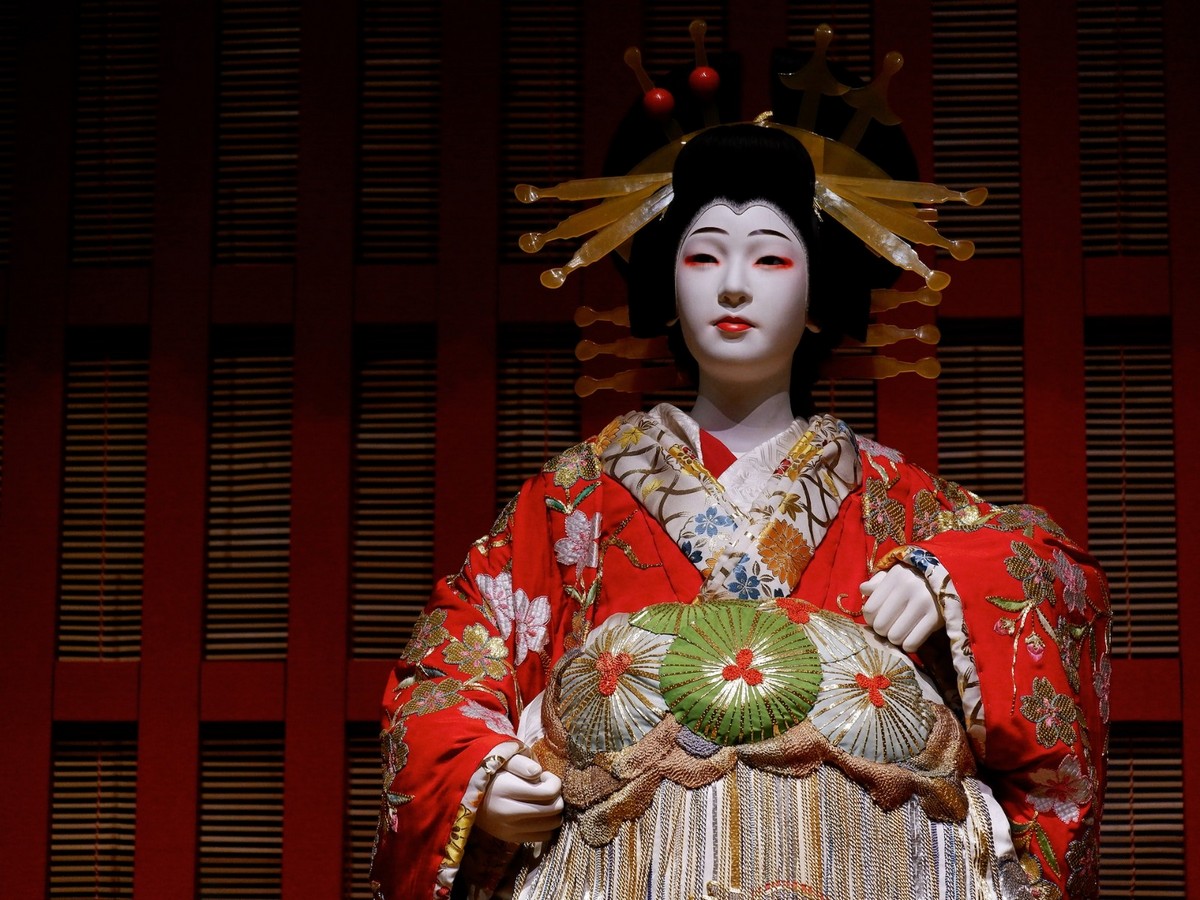
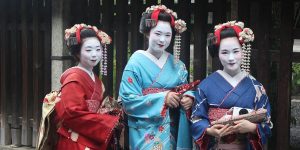
https://www.digiverseinstitute.com/ Geisha dikenal dengan riasan putih yang mencolok di wajah, bibir merah yang dibentuk dengan sempurna, serta gaya rambut rumit yang dihiasi ornamen indah. Riasan putih pada wajah memiliki makna mendalam, melambangkan kesucian dan netralitas. Mata dan bibir yang dipertegas menambah pesona, menciptakan kesan wajah yang dramatis dan memikat.

Namun, kecantikan geisha bukan hanya tentang riasan. Kimono yang dikenakan oleh geisha juga menjadi bagian tak terpisahkan dari penampilan mereka. Kimono tersebut biasanya memiliki desain yang rumit dengan pola tradisional yang mencerminkan status sosial, musim, dan kesempatan tertentu. Setiap detail kimono, mulai dari bahan hingga warna dan pola, dipilih dengan hati-hati untuk mencerminkan selera estetika yang tinggi.

Keahlian Seni yang Mengagumkan
kecantikan-geisha-simbol-budaya-jepang-yang-abadi

Seorang geisha bukan hanya simbol kecantikan, tetapi juga seorang seniman yang terlatih. Mereka menguasai berbagai seni tradisional seperti menari (odori), memainkan alat musik tradisional seperti shamisen, dan keterampilan bercakap-cakap dengan tamu dalam bahasa yang halus. Geisha juga dilatih dalam seni upacara minum teh, suatu kegiatan yang menuntut konsentrasi dan ketelitian dalam setiap gerakan.

Pelatihan seorang geisha dimulai sejak usia muda, ketika mereka dikenal sebagai maiko. Seorang maiko belajar secara intensif untuk menguasai berbagai seni dan tata krama, sebelum akhirnya diakui sebagai geisha penuh. Perjalanan ini tidak hanya membutuhkan dedikasi fisik, tetapi juga kedisiplinan mental yang tinggi.

Geisha di Masa Modern
kecantikan-geisha-simbol-budaya-jepang-yang-abadi

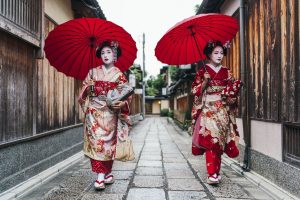
Meskipun perkembangan zaman membawa perubahan besar pada budaya Jepang, geisha tetap bertahan sebagai salah satu warisan budaya yang dilestarikan dengan bangga. Di Kyoto, beberapa distrik seperti Gion masih menjadi tempat di mana tradisi geisha dipertahankan dengan ketat. Meskipun jumlah geisha telah menurun seiring waktu, minat terhadap budaya geisha kembali meningkat dengan munculnya tur budaya yang menawarkan pengalaman bertemu dengan geisha dan memahami kehidupan mereka.

Di masa modern, geisha juga telah menjadi inspirasi dalam berbagai karya seni dan mode. Penampilan dan keanggunan mereka telah mempengaruhi banyak desainer dan seniman di seluruh dunia. Selain itu, kecantikan geisha juga menjadi simbol dari kekuatan dan kelembutan, mewakili semangat perempuan Jepang yang gigih menjaga warisan dan tradisi mereka.

Geisha bukan hanya tentang kecantikan fisik semata, tetapi lebih pada simbol budaya dan keanggunan yang abadi. Mereka mencerminkan nilai-nilai tradisional Jepang, seperti kehalusan, disiplin, dan seni yang terjaga dengan baik. Melalui penampilan dan keahlian seni yang mendalam, geisha menjadi lambang dari kekayaan budaya Jepang yang tetap relevan dan memikat hati banyak orang hingga saat ini.

Keindahan seorang geisha bukan hanya tampak dari riasan atau kimono yang mereka kenakan, tetapi juga dari setiap gerakan, kata, dan ekspresi yang penuh makna. Inilah yang membuat kecantikan geisha tetap menjadi simbol budaya Jepang yang abadi, melintasi batas waktu dan generasi.
Pengalaman Spiritual di Kamboja: Kunjungi Kuil-Kuil yang Menakjubkan

outsidethearc – Kamboja, sebuah negara yang terletak di Asia Tenggara, dikenal tidak hanya karena sejarahnya yang kaya, tetapi juga karena warisan budayanya yang luar biasa, terutama kuil-kuil megah yang menyimpan banyak cerita spiritual dan religius. Dari kuil Angkor Wat yang legendaris hingga kuil-kuil kecil yang tersembunyi di pedesaan, pengalaman spiritual di Kamboja menawarkan perjalanan yang mendalam dan menginspirasi bagi setiap pengunjung.

1. Angkor Wat: Simbol Spiritual Kamboja

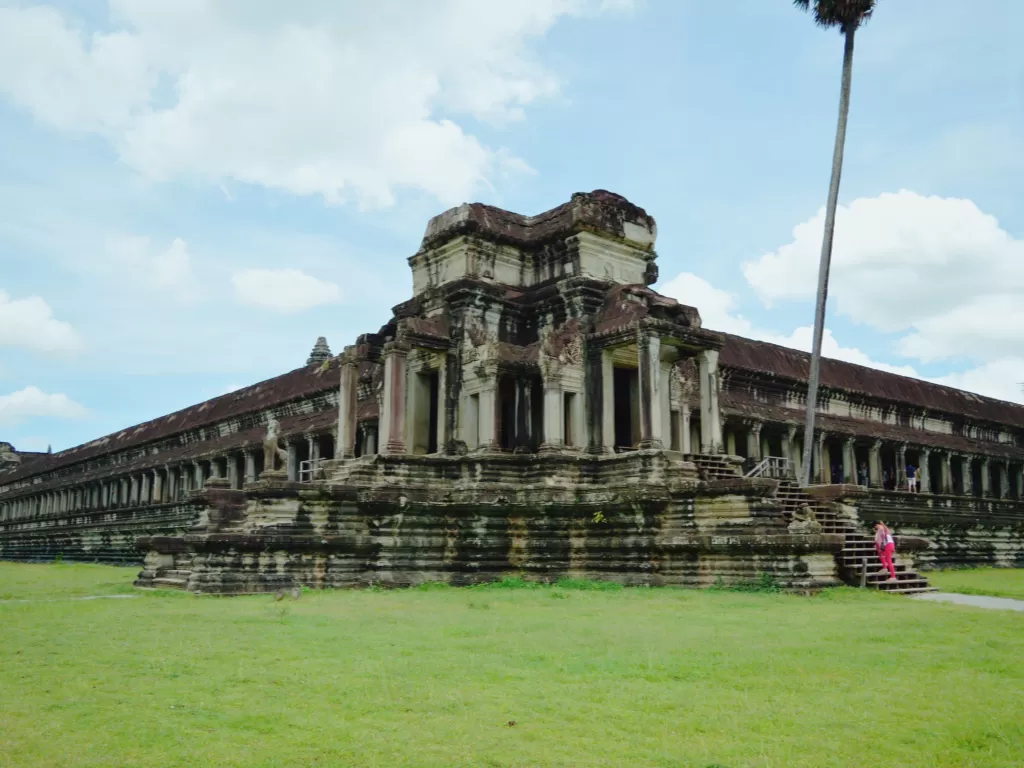
Angkor Wat adalah kuil terbesar di dunia dan salah satu contoh arsitektur Khmer yang paling luar biasa. Dibangun pada abad ke-12 sebagai kuil Hindu untuk menghormati Dewa Wisnu, Angkor Wat kemudian beralih fungsi menjadi kuil Buddha. Struktur megah ini dikelilingi oleh parit yang luas dan dilengkapi dengan berbagai ukiran yang menggambarkan mitologi Hindu dan Buddhisme.

Pengalaman spiritual di Angkor Wat dapat dimulai dengan menyaksikan matahari terbit di balik kuil. Suasana tenang dan magis saat matahari perlahan muncul, menciptakan pantulan yang indah di air parit, adalah momen yang tak terlupakan. Banyak pengunjung yang merasa terhubung secara spiritual dengan sejarah dan kebudayaan yang kaya yang dipancarkan oleh kuil ini.

2. Ta Prohm: Kekuatan Alam dan Arsitektur

Kuil Ta Prohm terkenal karena akar pohon yang menjalar dan menghiasi strukturnya. Kuil ini dibangun pada abad ke-12 dan ditujukan untuk menghormati ibunda Raja Jayavarman VII. Keberadaan pohon-pohon besar yang melilit kuil menambah suasana mistis, seolah-olah alam dan manusia hidup berdampingan dalam harmoni.

Berkeliling di Ta Prohm memberikan kesempatan untuk merenungkan kekuatan alam dan bagaimana manusia berusaha untuk melestarikan warisan budayanya. Suasana yang tenang dan penuh kedamaian di kuil ini dapat menjadi tempat refleksi yang ideal bagi pengunjung yang mencari pengalaman spiritual.

3. Kuil Bayon: Keajaiban Wajah Tersenyum

Kuil Bayon, yang terletak di pusat Angkor Thom, dikenal dengan patung wajah raksasa yang tersenyum. Terdapat lebih dari 200 wajah Buddha yang mengawasi setiap sudut kuil ini, menciptakan nuansa damai dan penuh kasih. Kuil ini dibangun pada akhir abad ke-12 dan awal abad ke-13 oleh Raja Jayavarman VII.

Saat mengunjungi Kuil Bayon, pengunjung dapat merasakan kedamaian dan ketenangan yang ditawarkan oleh sosok-sosok Buddha tersebut. Menghabiskan waktu di sini untuk berdoa atau bermeditasi di antara arsitektur yang megah dan penuh makna ini dapat membantu menambah kedalaman pengalaman spiritual Anda.

4. Kuil Wat Phnom: Tempat Suci di Tengah Kota

Terletak di ibu kota Kamboja, Phnom Penh, Kuil Wat Phnom adalah tempat yang sempurna untuk merasakan spiritualitas di tengah hiruk-pikuk kota. Kuil ini dibangun di atas bukit dan dikelilingi oleh taman yang rimbun, menciptakan suasana yang damai. Menurut legenda, kuil ini didirikan untuk menghormati seorang biarawati bernama Penh yang menemukan patung Buddha.

Kunjungan ke Wat Phnom memberikan kesempatan untuk berinteraksi dengan para biarawan dan penduduk lokal, serta menyaksikan berbagai upacara keagamaan yang diadakan di kuil. Ini adalah pengalaman yang mendalam dan memberi wawasan tentang praktik spiritual masyarakat Kamboja.

5. Kuil Kecil dan Komunitas Spiritual

Selain kuil-kuil besar, Kamboja juga memiliki banyak kuil kecil dan tempat-tempat spiritual yang sering diabaikan oleh wisatawan. Mengunjungi kuil-kuil ini dapat memberikan pengalaman yang lebih otentik dan intim. Anda bisa menemukan biara-biara kecil yang dijaga oleh para biarawan, di mana Anda dapat mengikuti sesi meditasi atau belajar tentang ajaran Buddha.

Komunitas spiritual ini seringkali sangat terbuka kepada pengunjung dan senang untuk berbagi pengetahuan mereka tentang ajaran Buddha dan tradisi Kamboja. Ini adalah kesempatan yang baik untuk memperdalam pemahaman Anda tentang spiritualitas di Kamboja.

Pengalaman spiritual di slot kamboja gacor adalah perjalanan yang tidak hanya menawarkan keindahan arsitektur, tetapi juga kesempatan untuk merenungkan makna hidup dan mencari kedamaian batin. Kuil-kuil yang menakjubkan dan kekayaan budaya Kamboja memberikan ruang bagi setiap pengunjung untuk menjelajahi dan menemukan spiritualitas mereka sendiri. Apakah Anda seorang pencari spiritual, penggemar sejarah, atau hanya seorang pelancong yang ingin mengalami keindahan Kamboja, kunjungan ke kuil-kuil ini akan menjadi kenangan yang tak terlupakan.

The Legend and Reality of Bran: Dracula’s Castle

outsidethearc.com – Nestled in the rugged Carpathian Mountains of Romania, Bran Castle stands as a testament to the blending of history, myth, and the allure of the macabre. Often referred to as “Dracula’s Castle,” this iconic fortress has captivated the imaginations of people around the world, drawing them with its connection to one of literature’s most famous vampires. However, the reality of Bran Castle is as complex and intriguing as the legends that swirl around it.

The Historical Bran Castle

Bran Castle, also known as the Castle of the Teutonic Knights of Bran and Posada, was built in the mid-14th century at the border of Transylvania and Wallachia, serving as a customs post and providing protection against invasions. Its strategic location made it a significant stronghold, changing hands numerous times over the centuries among the Hungarians, the Turks, and the Romanians.

The castle’s architecture is a blend of Gothic and Renaissance styles, with its most notable feature being its tall, pointed towers and imposing stone walls. Over the years, Bran Castle has served various purposes, including a customs post, a military fortress, and even a summer retreat for Queen Marie of Romania in the early 20th century.

The Connection to Dracula

The association of Bran Castle with Dracula, the fictional vampire created by Bram Stoker in his 1897 novel, is largely a product of 20th-century popular culture. Stoker never visited Romania and likely based his descriptions of Dracula’s castle on descriptions of Walachian castles he found in travel books. The idea that Bran Castle was Dracula’s home was popularized in the 1960s and 1970s by the castle’s then-owner, American author Raymonda Rhein, who hosted Dracula-themed tours to attract visitors.

Vlad the Impaler, the historical figure who inspired Stoker’s Dracula, was a prince of Wallachia known for his cruel methods of punishment, including impalement. While there is no concrete evidence that Vlad ever stayed at Bran Castle, the legend persists, fueled by the castle’s eerie atmosphere and its role in Romanian folklore.

The Reality Behind the Legend

Despite the lack of historical evidence linking Vlad the Impaler directly to Bran Castle, the fortress remains a symbol of Romania’s rich history and its connection to the Dracula myth. Today, Bran Castle is a museum that showcases the life of Queen Marie and the history of the region, drawing thousands of tourists each year.

The castle’s interior is as fascinating as its exterior, with well-preserved furniture, paintings, and artifacts that offer a glimpse into the life of the Romanian aristocracy during the early 20th century. The castle’s annual Halloween festival is a particularly popular event, celebrating the castle’s connection to Dracula with costume parties, tours, and performances.

Conclusion

Bran Castle stands as a bridge between the real and the imagined, a place where history and legend intertwine. Whether visitors come seeking the truth about Dracula or to explore the castle’s rich history, Bran Castle offers a unique experience that combines the allure of the supernatural with the beauty of Romania’s cultural heritage. As the legend of Dracula’s Castle continues to captivate audiences, Bran Castle remains a testament to the enduring power of storytelling and the fascination with the unknown.

Iraq: Rebuilding Amidst Ongoing Threats

outsidethearc.com – Iraq, a country with a rich history and once the cradle of civilization, has been grappling with the challenges of rebuilding its infrastructure and society after years of conflict, sectarian violence, and the devastating impact of the Islamic State (IS) insurgency. Despite the formal declaration of victory over IS in 2017, Iraq continues to face ongoing threats that hinder its reconstruction efforts. This article explores the multifaceted challenges Iraq is facing in its quest to rebuild, the progress being made, and the international support that is crucial for its recovery.

The Legacy of Conflict

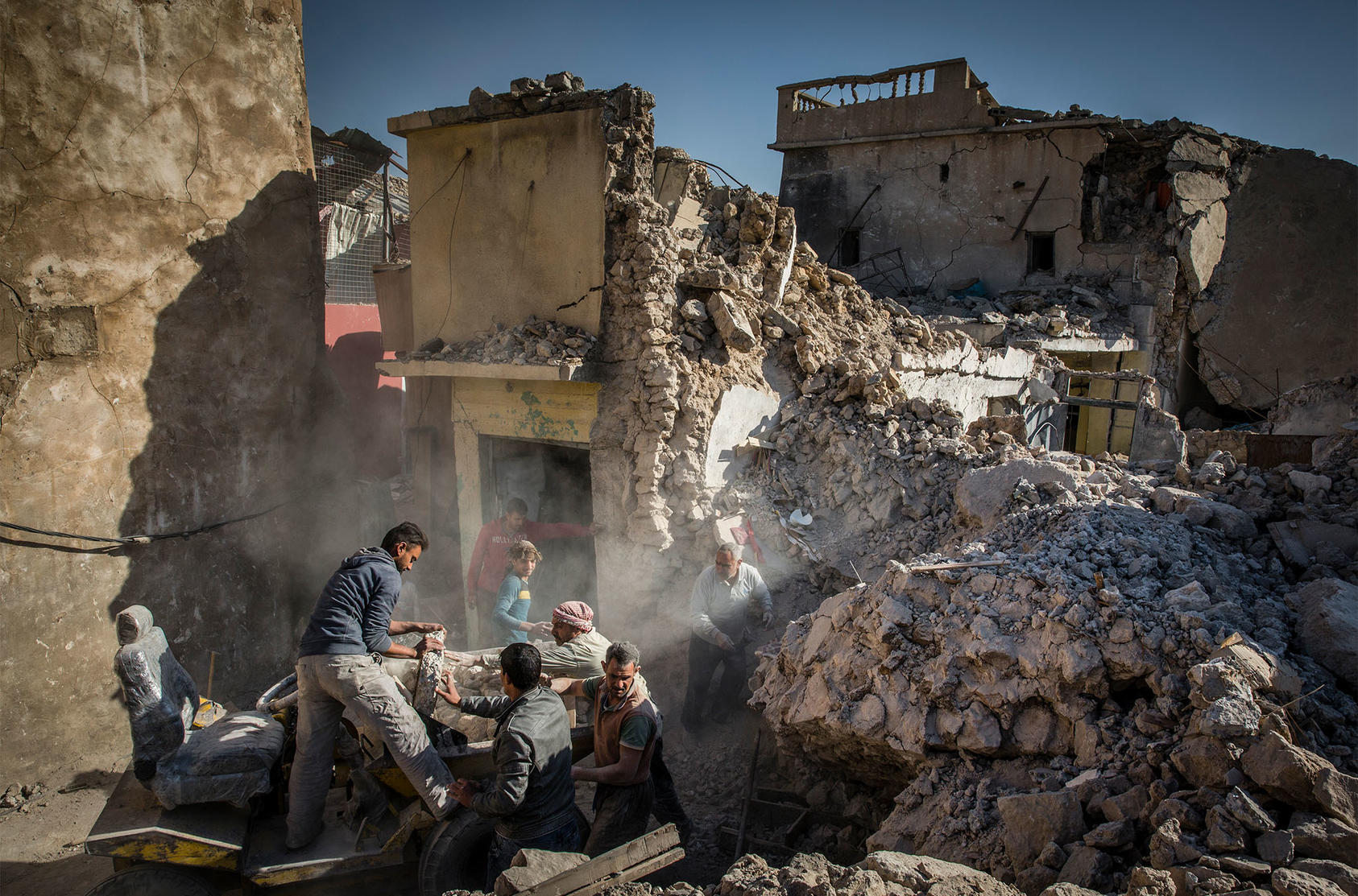
The 2003 invasion of Iraq by a coalition led by the United States marked the beginning of a tumultuous period for the country. The subsequent occupation, the rise of sectarian violence, and the emergence of IS have left deep scars on Iraqi society. Cities like Mosul and Fallujah, which were at the heart of the fight against IS, are now struggling to recover from the extensive damage caused by the conflict.

Rebuilding Efforts

Infrastructure and Economy

Iraq’s infrastructure has been severely damaged by years of conflict. The government, with the help of international organizations, is working to rebuild roads, bridges, hospitals, and schools. Economic recovery is also a priority, with efforts to revive the oil sector, which is crucial for Iraq’s economy, and to diversify its economic base.

Social and Political Challenges

Rebuilding Iraq is not just about physical infrastructure; it also involves addressing the social and political divisions that have been exacerbated by the conflict. Efforts are being made to promote reconciliation among different ethnic and religious groups and to strengthen the rule of law and good governance.

Ongoing Threats

IS Remnants

Although IS has lost its territorial control, the group’s remnants continue to pose a threat. They have reverted to guerrilla tactics, carrying out attacks that undermine security and stability. The threat of IS resurgence remains a significant concern for both Iraq and the international community.

Political Instability

Iraq’s political landscape is complex and fraught with challenges. Corruption, sectarianism, and external interference have hindered the formation of stable governments and effective governance. The ongoing protests and demands for reform highlight the need for political change to support the reconstruction process.

International Support

International support is crucial for Iraq’s reconstruction. The United Nations, the World Bank, and other international organizations have pledged assistance. Neighboring countries and Western allies are also involved in supporting Iraq’s recovery, recognizing that a stable Iraq is essential for regional security.

Conclusion

Rebuilding Iraq is a monumental task that requires sustained effort, both internally and from the international community. While there are significant challenges, there are also reasons for hope. The resilience of the Iraqi people, combined with international support, can pave the way for a more prosperous and peaceful future. As Iraq continues to rebuild amidst ongoing threats, the world watches closely, hoping that this ancient land can once again flourish.

The Greek Island with a View: Santorini

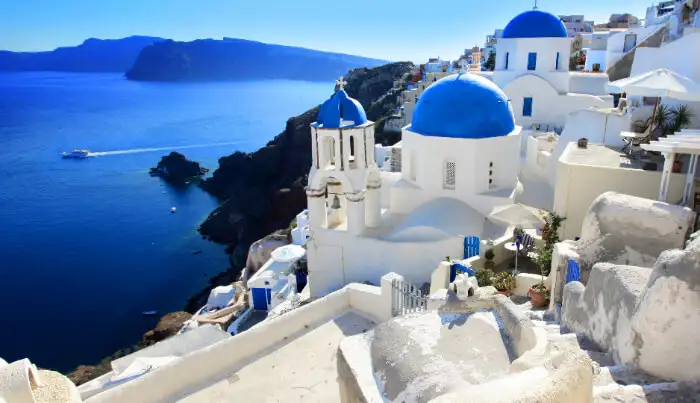
outsidethearc.com – Nestled in the Aegean Sea, Santorini is a Greek island that has captured the hearts of travelers and romantics alike. Its dramatic cliffs, crystal-clear waters, and iconic white-washed buildings with blue domes make it a photographer’s paradise and a top destination for honeymooners and adventurers.

The Geological Marvel

Santorini’s unique landscape is the result of a massive volcanic eruption that occurred around 1600 BC. This cataclysmic event reshaped the island, leaving a submerged caldera and sheer cliffs that drop into the sea. The island’s geological history is not just a testament to the power of nature but also a key factor in its breathtaking scenery.

Iconic Sunsets and Scenery

One of the most famous aspects of Santorini is its sunsets. The island’s western cliffs offer a perfect vantage point to watch the sun dip below the horizon, painting the sky in hues of orange, pink, and purple. The towns of Oia and Imerovigli are particularly renowned for their sunset views, attracting crowds of visitors each evening.

The panoramic views from these towns extend beyond the sunset. During the day, the caldera provides a stunning backdrop, with the deep blue sea contrasting against the white buildings. The view is so iconic that it has become synonymous with the image of Greece in the minds of many travelers.

Exploring the Island

Santorini offers a variety of activities for visitors looking to explore beyond the famous views. The island’s beaches are a major draw, with unique features such as the black sand of Perissa and Perivolos, and the red sand of Akrotiri. These beaches are not only beautiful but also offer a chance to relax and soak up the Mediterranean sun.

For those interested in history, the ancient city of Akrotiri is a must-visit. This Minoan settlement was buried under volcanic ash, much like Pompeii, and its ruins provide a fascinating glimpse into life on the island before the eruption.

Adventurous travelers can hike the path between Fira and Oia, which offers stunning views of the caldera and the chance to see the island from a different perspective. The hike is challenging but rewarding, especially if you time it to catch the sunset from Oia.

Culinary Delights

Santorini’s cuisine is as captivating as its views. The island’s fertile soil, a result of the volcanic ash, produces some of the best tomatoes, white eggplants, and capers in Greece. These ingredients are staples in Santorini’s traditional dishes, which are best enjoyed with a glass of the local wine, such as the renowned Vinsanto.

Dining in Santorini is an experience in itself, with many restaurants offering terraces with caldera views, allowing you to enjoy your meal with a spectacular backdrop.

A Romantic Getaway

It’s no surprise that Santorini is a top honeymoon destination. The combination of stunning views, luxurious accommodations, and a relaxed atmosphere makes it the perfect place for couples to celebrate their love. Whether you’re watching the sunset from a cliff-side taverna or enjoying a private moment in a cave hotel, Santorini offers endless opportunities for romance.

Conclusion

Santorini is more than just a Greek island; it’s a place where the beauty of nature, history, and culture come together to create an unforgettable experience. Whether you’re seeking adventure, relaxation, or romance, Santorini’s views will leave a lasting impression. As you wander through its towns, relax on its beaches, and explore its ancient sites, you’ll understand why this island is truly one of the most beautiful places on Earth.

Life Among the Nomads of the Moroccan Sahara: Desert Whispers

outsidethearc.com – The Moroccan Sahara, a vast expanse of sand and silence, is home to a unique and resilient community of nomads who have adapted to the harsh conditions of the desert for centuries. These nomads, known as the Ait Atta, are a Berber ethnic group whose lifestyle is deeply intertwined with the desert’s ebbs and flows. Their existence is a testament to human adaptation and survival in one of the most extreme environments on Earth.

The Ait Atta: Guardians of the Sahara

The Ait Atta are the guardians of the Moroccan Sahara, with a rich history that dates back to ancient times. Their name translates to “Children of the Dates,” a nod to their reliance on date palms for sustenance. These nomads are semi-nomadic, moving with their livestock in search of pasture and water, which are scarce resources in the desert. Their lifestyle is characterized by a deep connection to the land and a profound understanding of the desert’s rhythms.

Daily Life in the Desert

Life among the Ait Atta is a blend of tradition and adaptation. Their days are structured around the care of their livestock, primarily camels, goats, and sheep, which are crucial for their survival. The nomads rely on these animals for milk, meat, and wool, which is used to make clothing and tents. The tents, made from wool and goat hair, are designed to withstand the desert’s extreme temperatures, offering shelter and protection in a landscape that offers little respite.

The Ait Atta are also skilled craftsmen, creating intricate jewelry and pottery that reflect their cultural heritage. These crafts are not only a means of self-expression but also a way to generate income through tourism.

The Role of Women

Women play a pivotal role in nomadic society, balancing domestic duties with the management of the family’s resources. They are responsible for milking the animals, preparing meals, and weaving the tents. Despite the challenges of desert life, women find ways to express their individuality and creativity, often through the vibrant colors and patterns of their traditional dress.

The Impact of Modernization

The nomadic way of life is undergoing significant changes due to modernization and globalization. Many young nomads are drawn to the cities, seeking education and employment opportunities that are scarce in the desert. This migration poses a threat to the nomadic culture, as the younger generation may lose touch with their traditions and the knowledge passed down through generations.

However, there is a growing movement among the Ait Atta to preserve their heritage. Efforts are being made to educate the youth about their culture and to promote sustainable tourism that respects the nomads’ way of life.

Conclusion

The nomads of the Moroccan Sahara are a living example of human adaptation and resilience. Their life in the desert, though challenging, is rich in tradition and culture. As the world continues to evolve, the Ait Atta face the daunting task of preserving their way of life amidst the pressures of modernization. Yet, their spirit and determination to maintain their connection to the land and their ancestors offer a glimpse into a life that is in harmony with nature, a whisper of the past that echoes through the sands of the Sahara.

A Comprehensive Guide: How to Go Live in the USA

Moving to the USA can be an exciting and life-changing experience. However, the process involves various steps, from obtaining the right visa to settling down in your new home. This guide will help you navigate through the essential stages of moving to and living in the USA.

1. Determine Your Eligibility


Before making any plans, determine your eligibility to move to the USA. There are several types of visas available, depending on your purpose of stay:

  • Work Visas: H-1B (specialty occupations), L-1 (intra-company transferees), O-1 (individuals with extraordinary ability).
  • Student Visas: F-1 (academic students), M-1 (vocational students).
  • Family-Based Visas: For immediate relatives of US citizens and lawful permanent residents.
  • Diversity Visa Lottery: Offers a chance for individuals from countries with low immigration rates to the USA to apply for a visa.

2. Apply for a Visa


Once you have determined the appropriate visa, the next step is to apply for it. The application process generally involves:

  • Filling out the required forms (e.g., DS-160 for non-immigrant visas).
  • Paying the application fee.
  • Scheduling and attending a visa interview at the US embassy or consulate in your home country.
  • Providing supporting documents, such as a passport, photographs, and proof of eligibility.

3. Prepare for the Move


After obtaining your visa, start preparing for the move. Here are some key steps:

  • Find Accommodation: Research and secure a place to live, whether temporary or permanent.
  • Arrange Finances: Open a US bank account and transfer funds. Make sure you have enough savings to cover initial expenses.
  • Healthcare: Understand the US healthcare system and consider getting health insurance.
  • Transport: Decide whether you will need a car or rely on public transportation. Get an international driving permit if you plan to drive.

4. Settling In

Upon arrival in the USA, you will need to take care of several important tasks:

  • Social Security Number (SSN): Apply for an SSN, which is essential for working and accessing various services.
  • Driver’s License: Obtain a driver’s license from the Department of Motor Vehicles (DMV) in your state.
  • Cell Phone and Utilities: Set up a cell phone plan and connect utilities like electricity, gas, and internet in your new home.
  • Community and Networking: Join local community groups and networks to help you settle in and make new friends.

5. Understanding the Culture

Adapting to a new culture can be challenging but also rewarding. Here are a few tips:

  • Learn the Language: If English is not your first language, consider taking language classes to improve communication.
  • Cultural Differences: Be open to understanding and respecting cultural differences, whether in social norms, workplace etiquette, or everyday interactions.
  • Explore: Take time to explore your new city and its surroundings. Visit local attractions, parks, and events to get a feel for the area.

6. Legal and Tax Obligations

As a resident of the USA, be aware of your legal and tax obligations:

  • Taxes: Understand the US tax system and ensure you file your taxes annually.
  • Legal Status: Keep track of your visa status and apply for extensions or a green card if you plan to stay long-term.

Conclusion

Moving to the USA involves careful planning and preparation, but with the right approach, it can be a smooth transition. By following these steps, you can successfully navigate the process and start your new life in the USA. Remember to stay informed and seek assistance when needed to ensure a successful and enjoyable move.

Ireland’s Scenic Trails: Cliffs of Moher to the Ring of Kerry

Ireland, often referred to as the Emerald Isle, is renowned for its stunning landscapes, rich history, and vibrant culture. Among its most captivating features are the scenic trails that wind through its diverse terrain, offering breathtaking views and unforgettable experiences. Two of the most iconic trails in Ireland are the Cliffs of Moher and the Ring of Kerry. These trails not only showcase the natural beauty of Ireland but also provide a glimpse into its rich heritage and folklore.

Cliffs of Moher

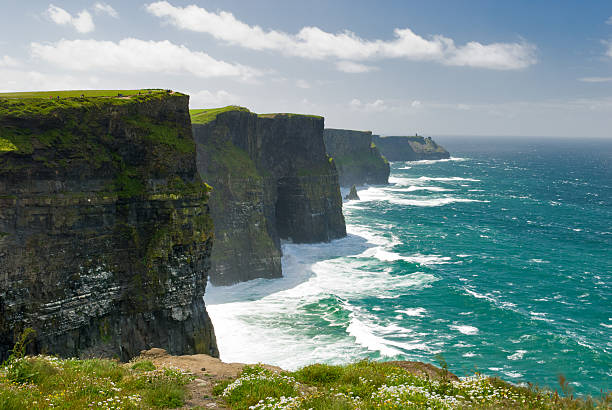
Cliffs Of Moher Stock Photo - Download Image Now - Cliffs of Moher, Cliff,  Sea - iStock

Overview

The Cliffs of Moher are one of Ireland’s most visited natural attractions, drawing over a million visitors each year. Stretching for about 14 kilometers (8.7 miles) along the Atlantic coast of County Clare, these majestic cliffs rise to a maximum height of 214 meters (702 feet) at their highest point.

Highlights

  • O’Brien’s Tower: Built in 1835 by Sir Cornelius O’Brien, this stone tower offers panoramic views of the Aran Islands, Galway Bay, and the Twelve Bens mountain range.
  • Wildlife: The cliffs are home to a diverse array of bird species, including puffins, razorbills, and guillemots. The area is a designated Special Protection Area for birds.
  • Visitor Experience: The Cliffs of Moher Visitor Experience, located near the midpoint of the cliffs, provides interactive exhibits, a multimedia display, and a viewing platform.

Trails

  • Cliff Path: This 18-kilometer (11.2 miles) trail runs from Hag’s Head in the south to Doolin in the north, offering spectacular views of the cliffs and the Atlantic Ocean. The trail can be challenging in parts, but the vistas are well worth the effort.
  • Burren Way: For those seeking a longer hike, the Cliffs of Moher form part of the Burren Way, a 123-kilometer (76 miles) trail that traverses the rugged Burren region.

Ring of Kerry

Ring of Kerry | Virtuoso

Overview

The Ring of Kerry is a 179-kilometer (111 miles) circular route in County Kerry, renowned for its picturesque landscapes, charming villages, and historical sites. This trail offers a comprehensive tour of the Iveragh Peninsula, showcasing the best of Ireland’s natural beauty and cultural heritage.

Highlights

  • Killarney National Park: Encompassing over 10,000 hectares, this park features stunning lakes, mountains, and woodlands. Key attractions include Muckross House, Ross Castle, and the Torc Waterfall.
  • Skellig Michael: A UNESCO World Heritage Site, this remote island is home to a well-preserved monastic settlement dating back to the 6th century.
  • Gap of Dunloe: A narrow mountain pass carved by glaciers, offering dramatic scenery and an opportunity for a tranquil boat ride on the Lakes of Killarney.
  • Kenmare: A quaint town known for its colorful buildings, artisan shops, and traditional pubs.

Trails

  • Kerry Way: One of Ireland’s longest and most popular walking trails, the Kerry Way spans approximately 214 kilometers (133 miles) and roughly follows the Ring of Kerry. The trail meanders through diverse landscapes, including mountains, valleys, and coastal areas.
  • Old Kenmare Road: This section of the Kerry Way offers a challenging hike with rewarding views of the MacGillycuddy’s Reeks mountain range and the Black Valley.

Conclusion

Exploring Ireland’s scenic trails, from the dramatic Cliffs of Moher to the enchanting Ring of Kerry, is an experience that promises awe-inspiring vistas and a deep connection with nature and history. Whether you’re an avid hiker or a casual traveler, these trails offer something for everyone. They serve as a testament to Ireland’s enduring beauty and the timeless appeal of its landscapes. So lace up your hiking boots, pack your sense of adventure, and embark on a journey through some of the most spectacular scenery that Ireland has to offer.