World Cup Economics: The Business of the Beautiful Game

outsidethearc.com – The FIFA World Cup, often referred to as simply “The World Cup,” is more than just a football tournament; it is a global spectacle that transcends the boundaries of sport, culture, and economics. Held every four years, this event captivates billions of viewers worldwide, making it one of the most-watched sporting events on the planet. The economic impact of the World Cup is vast and multifaceted, affecting not only the host country but also the global economy. This article delves into the intricate world of World Cup economics, exploring the revenue streams, costs, and the broader economic implications of the beautiful game’s most prestigious tournament.

Revenue Streams

The World Cup generates revenue through various channels, including broadcasting rights, sponsorships, ticket sales, and licensing. Broadcasting rights are the most significant source of income, with television and digital platforms paying billions to secure the rights to broadcast matches in their respective regions. Sponsorships from global brands also contribute significantly to the tournament’s revenue, with companies seeking the visibility and prestige associated with the World Cup. Ticket sales, although a smaller portion of the overall revenue, are crucial for creating the electric atmosphere that makes the World Cup unique. Licensing, which includes the sale of merchandise such as jerseys, balls, and other memorabilia, further adds to the tournament’s financial success.

Costs

Hosting the World Cup is an expensive endeavor. The costs include infrastructure development, such as building or upgrading stadiums, transportation networks, and accommodation facilities. Security is another significant expense, with the host country needing to ensure the safety of fans, players, and officials. Additionally, there are operational costs related to organizing the matches, training camps, and the opening and closing ceremonies. The financial burden of hosting the World Cup has led to debates about the sustainability of the current model, with some countries facing criticism for the high costs and the long-term viability of the infrastructure developed for the tournament.

Economic Impact

The economic impact of the World Cup extends beyond the immediate revenue and costs. The tournament can boost the host country’s economy through increased tourism, job creation, and a rise in consumer spending. The influx of visitors requires additional services, creating temporary and long-term employment opportunities. Moreover, the international exposure can enhance the host country’s brand, potentially leading to increased foreign investment and tourism in the years following the event.

However, the economic benefits are not guaranteed and can vary significantly depending on the host country’s economic conditions and the effectiveness of its planning and execution. Some countries have experienced a “World Cup hangover,” where the costs of hosting the tournament outweigh the benefits, leading to economic challenges in the post-World Cup period.

Conclusion

The World Cup is a complex economic phenomenon that offers both opportunities and challenges. While it can generate substantial revenue and have a positive impact on the host country’s economy, it also requires significant investment and careful planning to ensure that the benefits are maximized and the costs are managed effectively. As the beautiful game continues to captivate the world, the economics of the World Cup will remain a critical aspect of the tournament, influencing decisions about its organization and future direction.
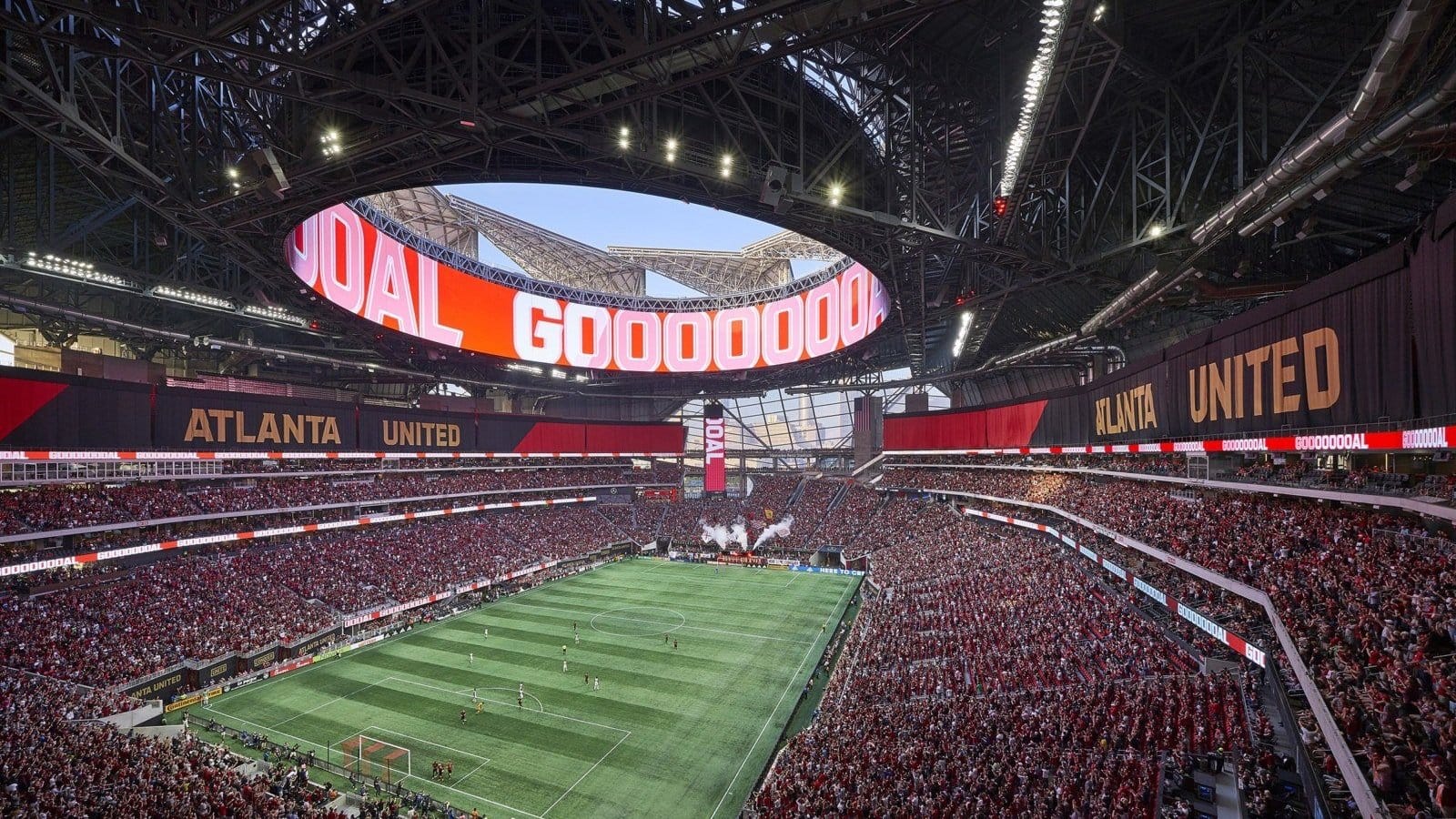
Football’s Most Iconic Stadiums

Football, or soccer as it’s known in some parts of the world, is more than just a game; it’s a global phenomenon that unites people from all walks of life. At the heart of this beautiful game are the stadiums where the magic unfolds. These aren’t just buildings; they are cathedrals of the game, each with its own history, character, and aura. Here’s a fan’s guide to some of football’s most iconic stadiums, places of pilgrimage for supporters around the globe.

  1. Camp Nou, Barcelona, Spain
    Home to FC Barcelona, Camp Nou is the largest stadium in Europe, with a capacity of over 99,000. It’s not just the size that makes it iconic but the history and the legends who have graced its turf. From Johan Cruyff to Lionel Messi, Camp Nou has been the stage for some of the most memorable moments in football history. The atmosphere during a match is electric, with the passionate Catalan fans creating a sea of blue and red.
  2. Wembley Stadium, London, England
    Known as the “Home of Football,” Wembley Stadium is more than just an iconic venue; it’s a symbol of English football. With its distinctive arch, Wembley has hosted numerous high-profile matches, including FA Cup finals, UEFA Champions League finals, and international fixtures. The new Wembley, opened in 2007, has a capacity of 90,000, making it one of the largest stadiums in the world.
  3. San Siro (Stadio Giuseppe Meazza), Milan, Italy
    Shared by AC Milan and Inter Milan, the San Siro is a fortress of Italian football. With a capacity of over 80,000, it’s known for its intimidating atmosphere, especially during the Derby della Madonnina, the local derby between the two Milanese giants. The stadium’s distinctive architecture, with its terraced stands, makes it one of the most recognizable in the world.
  4. Maracanã, Rio de Janeiro, Brazil
    The Maracanã is more than a stadium; it’s a temple of football. With a current capacity of over 78,000 (down from its peak of nearly 200,000), it has hosted some of the most iconic moments in football history, including the 1950 FIFA World Cup final. The atmosphere during a match is unlike anywhere else, with the roar of the crowd echoing through the stands.
  5. Santiago Bernabéu, Madrid, Spain
    Home to Real Madrid, the Santiago Bernabéu is a symbol of success and glamour in football. With a capacity of over 81,000, it has witnessed some of the greatest players in the game, from Alfredo Di Stéfano to Cristiano Ronaldo. The stadium is not just a venue for matches; it’s a place where history is made, and the white walls have seen their fair share of European glory.
  6. Anfield, Liverpool, England
    The home of Liverpool FC, Anfield is known for its passionate fans and the famous “You’ll Never Walk Alone” anthem. With a capacity of over 54,000, it may not be the largest, but the atmosphere is one of the most intense in world football. The Kop end, in particular, is a bastion of fan support and can be a daunting sight for visiting teams.
  7. Signal Iduna Park (Westfalenstadion), Dortmund, Germany
    Home to Borussia Dortmund, Signal Iduna Park is famous for its “Yellow Wall,” the largest terrace in European football. With a capacity of over 81,000, it’s known for its incredible atmosphere, with the fans creating a sea of yellow and black. The stadium is a testament to the passion and unity of German football culture.
  8. Amsterdam Arena (Johan Cruyff Arena), Amsterdam, Netherlands
    Named after the legendary Dutch player Johan Cruyff, this stadium is home to Ajax Amsterdam. With a capacity of over 54,000, it’s known for its innovative design and the quality of football played within its walls. The arena is a symbol of Dutch football’s rich history and tradition.

Each of these stadiums has its own unique story, atmosphere, and place in the heart of football fans around the world. To truly understand the game, one must experience the magic of these cathedrals of football. Whether you’re a die-hard fan or a casual observer, a visit to any of these iconic stadiums is sure to leave a lasting impression.