Unveiling the Mystical Arts of a Bygone Era: Spells of the Ancients

outsidethearc.com – In the annals of history, there lies a tapestry of ancient wisdom, woven with the threads of mystical practices and arcane knowledge. Among these, the concept of “Spells of the Ancients” captures the imagination, whispering tales of power, mystery, and the unseen forces that govern the universe. These spells, often steeped in tradition and ritual, are a testament to humanity’s enduring quest for understanding the unknown and harnessing the energies that bind the cosmos.

The Origins of Ancient Spellcraft

The roots of ancient spellcraft are as diverse as the cultures from which they sprang. From the intricate hieroglyphs of ancient Egypt to the runic inscriptions of Norse tradition, each civilization developed its own unique system of magical practice. These spells were not merely incantations; they were a language through which the ancients communicated with the divine, sought protection, or influenced the natural world.

Purpose and Practice

Spells of the ancients served a myriad of purposes, reflecting the needs and aspirations of the people who invoked them. Some were designed to heal the sick, others to ensure a bountiful harvest, and still, others sought to protect against malevolent forces. The practice of casting these spells was often a communal affair, involving priests, shamans, or other spiritual leaders who acted as intermediaries between the human and spiritual realms.

The casting of spells required precise rituals, which could include the use of specific herbs, the recitation of incantations, the performance of dances, or the creation of symbolic objects. These rituals were believed to align the caster with the cosmic energies necessary to bring about the desired effect.

Preservation and Legacy

Despite the passage of millennia, the spells of the ancients continue to fascinate and inspire. Through archaeological discoveries, historical texts, and oral traditions, we have been able to piece together the practices of these ancient magicians. While some view these spells as mere relics of a superstitious past, others see them as valuable insights into the spiritual and philosophical beliefs of our ancestors.

In modern times, many have sought to revive or reinterpret these ancient practices, finding in them a connection to the wisdom of the past and a means of exploring the mysteries of the present. Whether through the lens of cultural heritage, spiritual practice, or personal curiosity, the spells of the ancients remain a powerful symbol of humanity’s enduring fascination with the unseen forces that shape our world.

Conclusion

The spells of the ancients are more than just historical curiosities; they are a window into the soul of civilizations long gone. They remind us of the depth of human imagination and the lengths to which we will go to understand and influence the world around us. As we continue to uncover the secrets of these ancient practices, we are not merely preserving history; we are rekindling a connection to the mystical heritage that is our birthright. In the spells of the ancients, we find a timeless reminder of the power of belief, the beauty of ritual, and the enduring mystery of the universe.
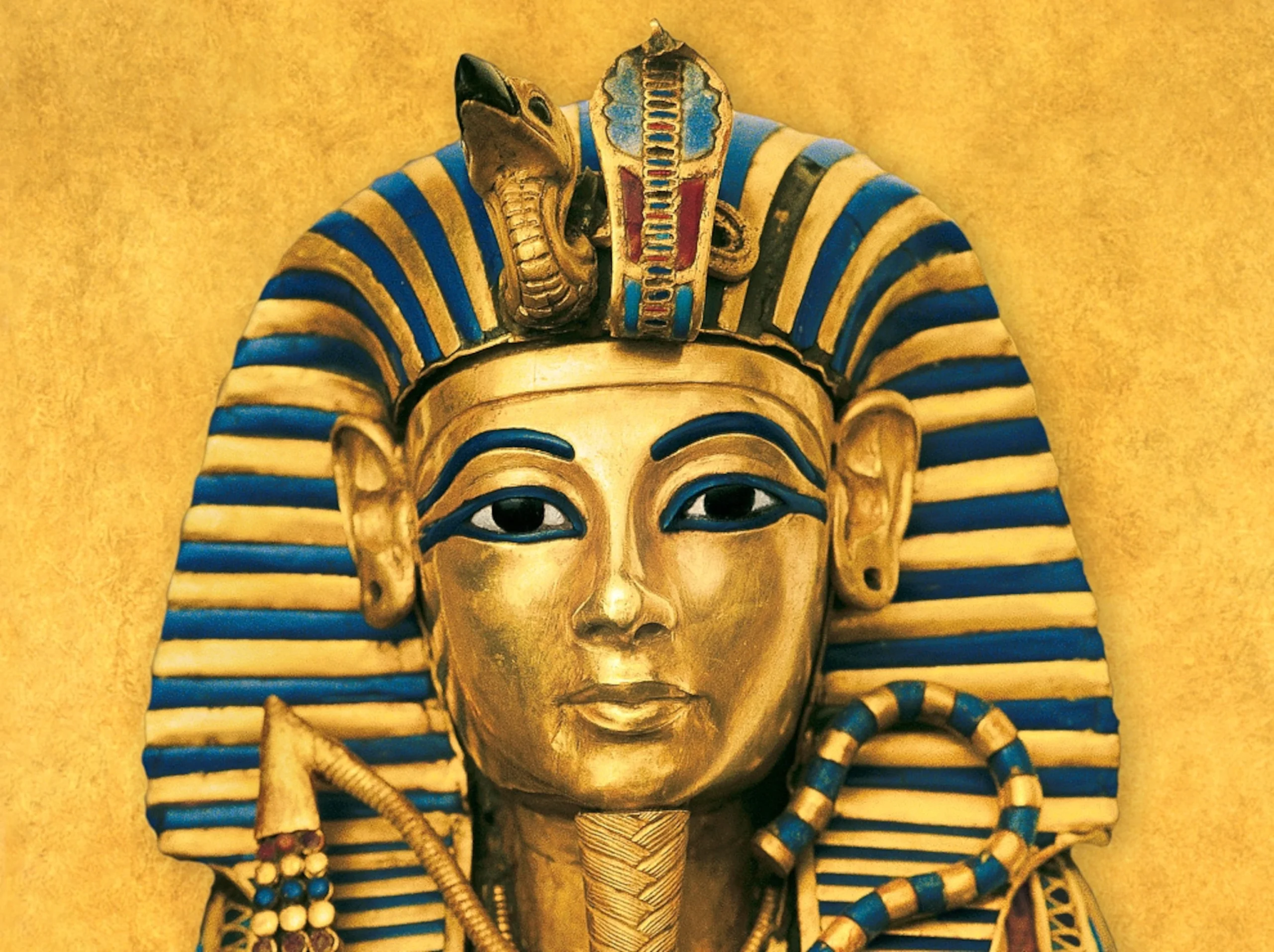
The Boy Pharaoh of Ancient Egypt: King Tutankhamun

outsidethearc.com – In the annals of ancient history, few figures have captivated the imagination quite like King Tutankhamun, the boy pharaoh of Egypt. His reign, though brief, has left an indelible mark on the world, largely due to the remarkable preservation of his tomb and the treasures it contained. Tutankhamun’s story is a fascinating glimpse into the life of ancient Egypt, a civilization that has long fascinated archaeologists, historians, and the general public alike.

Born into the 18th Dynasty around 1341 BCE, Tutankhamun was a member of the royal family, a lineage that included the controversial pharaoh Akhenaten, who is believed to be his father. Tutankhamun’s mother’s identity remains a subject of debate among scholars, with many speculating that she was one of Akhenaten’s daughters. The young prince was likely chosen to ascend to the throne due to the lack of a more suitable heir, a decision that would thrust him into the spotlight of one of the most powerful civilizations of the ancient world.

Tutankhamun’s reign began when he was just a child, possibly around the age of nine, and lasted for approximately ten years. Despite his youth, he was tasked with the monumental challenge of restoring Egypt’s religious and political stability after the radical changes introduced by Akhenaten. Akhenaten had attempted to shift Egypt’s religious practices from the traditional polytheism to the worship of a single deity, the Aten, or sun disk. This shift, known as the Amarna Revolution, was met with resistance and had destabilized the country. Tutankhamun, advised by his regents and officials, began the process of reversing these changes, moving the capital back to Thebes and reinstating the traditional gods and religious practices.

Despite his efforts to restore order, Tutankhamun’s reign is not well-documented, and much of what is known about him comes from the discovery of his tomb in the Valley of the Kings by Howard Carter in 1922. This discovery was a watershed moment in archaeology, as the tomb had remained sealed and largely untouched for over 3,000 years. The treasures found within—including the iconic golden mask that has become synonymous with Tutankhamun—provided unprecedented insight into the art, culture, and burial practices of ancient Egypt.

The cause of Tutankhamun’s death, which occurred around 1323 BCE when he was approximately 19 years old, has been the subject of much speculation and investigation. Initial theories suggested murder, but more recent studies, including CT scans of his mummy, suggest that he may have died from complications resulting from a broken leg. The exact circumstances of his death remain a mystery, contributing to the aura of intrigue that surrounds his legacy.

Tutankhamun’s legacy extends far beyond his reign. The discovery of his tomb sparked a global fascination with ancient Egypt, leading to the field of Egyptology and inspiring countless books, films, and artworks. His story is a testament to the enduring appeal of ancient civilizations and the mysteries they hold.

In conclusion, King Tutankhamun, the boy pharaoh of ancient Egypt, continues to captivate the world’s imagination long after his brief reign. His legacy is a reminder of the power of history to connect us to the past and the enduring allure of a civilization that, despite the passage of millennia, still has much to teach us. As we continue to uncover the secrets of ancient Egypt, Tutankhamun’s story remains a beacon of the wonders that lie buried beneath the sands of time.